Light pollution

Light pollution is a generic term for all of the undesirable effects of artificial light.
One of the most damaging effects for astronomy is brightness or glare in the night sky caused by artificial light reflecting off gases and particles in the air. Unsuitable light fixtures shining upwards or outside the area they are intended to illuminate and excessive lighting are responsible.
Any lighting scheme within the area regulated by the Sky Law must comply with regulations.
The most obvious benefits are:
- Energy savings
- Road safety
- Environmental improvements
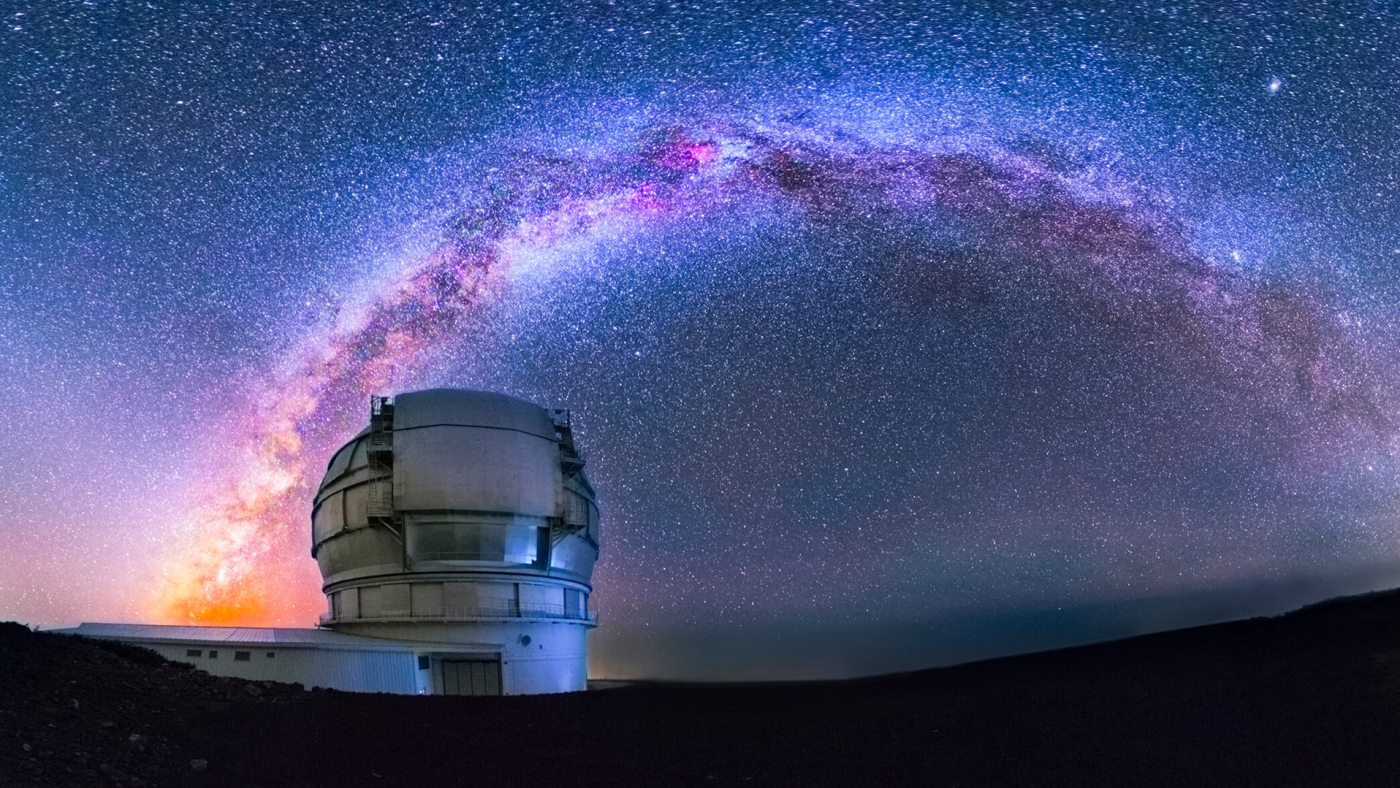
- Improved views of the night sky
How can I get involved?
By understanding the regulations that must be complied with and reporting any infringements.
Advantages and benefits
If you work with us, you will help us to::
- Reduce energy consumption and, indirectly, CO2, NOX, SO2 and other particle emissions.
- Reduce night-time disruption of natural habitats (of animals, plants and ecological processes). Protect nocturnal birds like the Canaries shearwater.
- Reduce glare, improving vehicle and pedestrian safety.
- Prevent glare to air and sea traffic.
- Preventing nuisance to neighbours.
- Making astronomical observation possible, for both professional astronomers and amateurs.
- Protecting the darkness of the night in accordance with the Universal Declaration on the Rights of Future Generations (UNESCO): "Future generations have the right to inherit an unharmed and unpolluted earth, and this includes the right to a pure sky." Declaración de La Laguna (February 1994, Cousteau-UNESCO group).