News

This section includes scientific and technological news from the IAC and its Observatories, as well as press releases on scientific and technological results, astronomical events, educational projects, outreach activities and institutional events.

Displaying 1 - 6 of 277
Advertised on
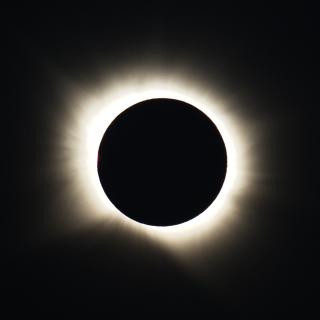
  • Imagen del eclipse total de Sol tomada desde Borobia (Soria) el 12 de agosto de 2026
    Investigadoras, investigadores y personal técnico del Instituto de Astrofísica de Canarias participaron en actividades de observación, divulgación y formación en distintas localidades españolas durante el eclipse del 12 de agosto. El Instituto de Astrofísica de Canarias (IAC) desplegó el pasado 12 de agosto equipos científicos y técnicos en distintos puntos de la Península para participar en la observación y divulgación del eclipse solar total. Además de la actividad central desarrollada en Palencia en el marco del proyecto internacional NATE (North African Telescope Eclipse), personal del
    Advertised on
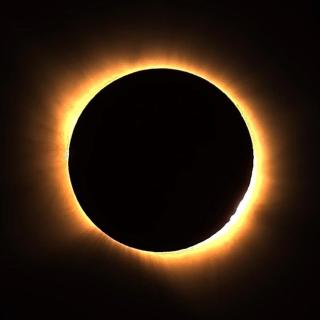
  • Imagen de la corona solar en el eclipse total de Sol del 12 de agosto tomada en Palencia / Santiago Torres
    After months of work, the Canary Islands Institute of Astrophysics (IAC) successfully concluded its scientific, outreach, and educational program in Palencia, where thousands of people enjoyed the total solar eclipse on August 12, 2026. The program, designed jointly by the IAC and the Palencia City Council, filled the streets and theaters throughout the province. This historic event concluded with a high turnout. Thousands of people—including locals and visitors from all over the world—packed the viewing areas set up in Palencia to enjoy a once-in-a-lifetime astronomical spectacle live. The
    Advertised on
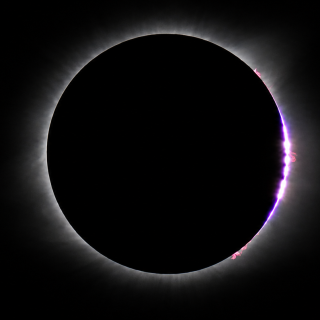
  • Perlas de Baily durante un eclipse total de Sol. El 12 de agosto, desde Canarias el eclipse será parcial, con cerca del 70 % del Sol oculto
    El próximo 12 de agosto, España vivirá uno de los acontecimientos astronómicos más extraordinarios de las últimas décadas. En Canarias, el eclipse permitirá observar aproximadamente del 70 al 75 % en las Islas Canarias, ofreciendo una oportunidad excepcional para disfrutar de este fenómeno desde el archipiélago. Con motivo de este esperado evento, el Instituto de Astrofísica de Canarias (IAC) ofrece una serie de recomendaciones para ayudar a la ciudadanía a planificar su observación de forma segura, elegir las mejores localizaciones desde las que contemplarlo y disfrutar plenamente de una
    Advertised on
  • A group of people with visual impairments experiencing a total solar eclipse
    As part of the program of initiatives that the IAC—in collaboration with the Palencia City Council and with the support of the Canary Islands Government, and as part of its NATE project—will carry out in Palencia to mark the total solar eclipse on August 12, people with visual impairments will be offered the opportunity to follow the event through the Inclusive Eclipse project of the Institute of Space Sciences (ICE-ISIC). This option will be available at a designated location on the grounds of the Cristo del Otero monument. In this sound art space, anyone can enjoy the eclipse through sound
    Advertised on
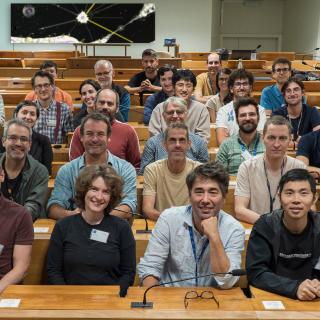
  • Participants in the 11th International Astronomy Education Adventure in the Canary Islands (AEACI 2026)
    The IACTEC building, in the Las Mantecas Science and Technology Park in La Laguna, is hosting the 11th International Astronomy Education Adventure in the Canary Islands (AEACI 2026) this week. This edition forms part of the Erasmus+ Astro-Journeys project, co-funded by the European Union, in which the IAC is participating alongside eight other institutions from France, Portugal, Germany and Greece. The aim of the project is to support the professional development of teachers, enabling them to design interdisciplinary, inclusive and research-based learning experiences, using astronomy as the
    Advertised on
  • Cartel del ciclo "Del Cielo a la Tesis"
    El ciclo de charlas divulgativas Del Cielo a la Tesis, impulsado por el estudiantado predoctoral del Instituto de Astrofísica de Canarias (IAC) y la Universidad de La Laguna (ULL) para acercar la investigación astrofísica a la ciudadanía, celebrará una nueva sesión el próximo jueves 23 de julio a las 17:00 horas en el Museo de la Ciencia y el Cosmos, del Organismo Autónomo de Museos y Centros del Cabildo de Tenerife. Esta edición tendrá un carácter especial, ya que coincide con el primer aniversario de la iniciativa, cuya primera sesión se celebró el 24 de julio de 2025. En solo un año, Del
    Advertised on