August 2026

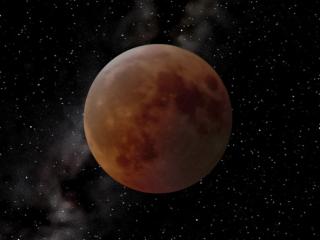
La madrugada del 28 de agosto de 2026 tendremos un eclipse parcial de Luna / IAC
El eclipse parcial de Luna que cierra la temporada
Estamos en plena ‘temporada de eclipses’. En una ventana temporal de algo más de treinta días las geometrías del Sol, la Tierra y la Luna coinciden. Tal y como explica la astrofísica y divulgadora del Instituto de Astrofísica de Canarias (IAC), Irene Puerto, “en su baile orbital a miles de kilómetros por hora, estos tres cuerpos celestes quedan perfectamente alineados en el espacio, dando lugar a una secuencia de ocultaciones”. “En cada una de estas temporadas suelen registrarse entre dos y tres eclipses, alternando eventos solares y lunares”, añade Puerto. Tras el eclipse solar que se vivió
Advertised on
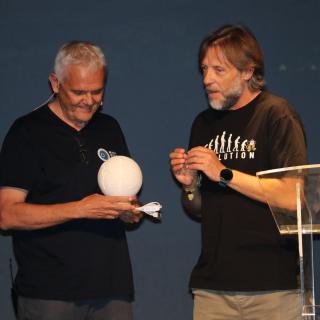
Valentín Martínez Pillet recibe un reconocimiento por parte del concejal del Ayuntamiento de Palencia Francisco Fernández Asensio
Palencia is already buzzing with excitement about the eclipse. Schedule for Tuesday, August 11
Palencia is already buzzing with excitement about the eclipse. With the opening talk given yesterday by IAC Director Valentín Martínez Pillet at the Teatro Principal—in which he gave the large audience a preview of the spectacular nature and significance of what they will see in the sky tomorrow—the program of educational events has officially kicked off. These events will take place at various locations throughout the capital, as well as in other towns across the province. Meanwhile, on the streets, you can sense the growing excitement among the many visitors arriving so as not to miss such
Advertised on
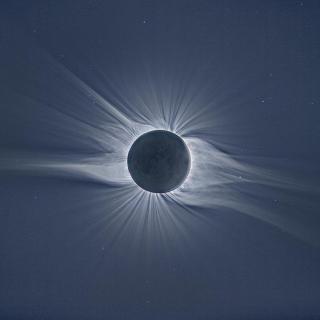
Total solar eclipse
The 2026–2028 Eclipse Trio: A Historic Opportunity for Astronomy Education and Science Outreach
Total solar eclipses are one of nature’s most breathtaking phenomena. Day suddenly yields to a brief darkness, revealing bright stars, planets, and the ethereal solar corona— the outermost layer of the Sun’s atmosphere, usually hidden by the intense glare of inner layers. Beyond their visual wonder, eclipses serve as scientific laboratories. They reveal the subtle orbital dynamics of the Sun-Earth-Moon system, enable detailed studies of the enigmatic solar corona and lunar topography, and historically provided the crucial observations needed to test Einstein’s Theory of General Relativity
Nayra
Rodríguez Eugenio
Advertised on
Eclipse Inclusivo logo
The August 12 event in Palencia is part of the “Inclusive Eclipse” initiative
As part of the program of initiatives that the IAC—in collaboration with the Palencia City Council and with the support of the Canary Islands Government, and as part of its NATE project—will carry out in Palencia to mark the total solar eclipse on August 12, people with visual impairments will be offered the opportunity to follow the event through the Inclusive Eclipse project of the Institute of Space Sciences (ICE-ISIC). This option will be available at a designated location on the grounds of the Cristo del Otero monument. In this sound art space, anyone can enjoy the eclipse through sound
Advertised on
Cristóbal Colón utilizó la predicción de un eclipse frente a comunidades de Jamaica
Cómo los eclipses nos enseñaron a ser libres
Un eclipse total de Sol es uno de esos fenómenos capaces de romper la normalidad del mundo, al menos durante unos minutos. El día se convierte en noche, la temperatura cae, el paisaje adquiere una tonalidad extraña y los animales alteran su comportamiento. El Sol, que parecía la presencia más grandiosa del cielo, desaparece. Para una sociedad sin Astronomía, sin física y sin capacidad de cálculo, la desaparición del Sol no podía ser un simple accidente geométrico. Era una amenaza cósmica. Muchas culturas interpretaron los eclipses como el ataque de una criatura o la manifestación de una
Advertised on