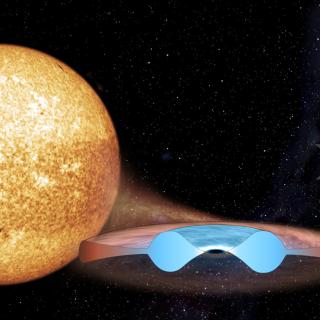
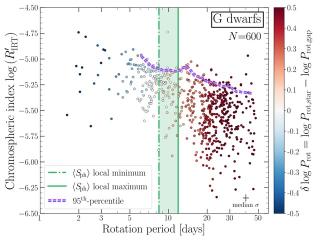
New study reveals enhanced magnetic activity across the stellar atmosphere after the intermediate rotation-period gap Stars change as they age. Like our Sun, they rotate and generate magnetic fields, producing phenomena such as dark spots on their surfaces and influencing the activity of their atmospheres. As stars age, they generally rotate more slowly and their magnetic activity declines. However, observations have revealed an unexpected feature in this evolution: a shortage of stars with certain intermediate rotation periods. This intermediate rotation-period gap suggests that stellar
Advertised on