Large-Sized Telescopes
LST
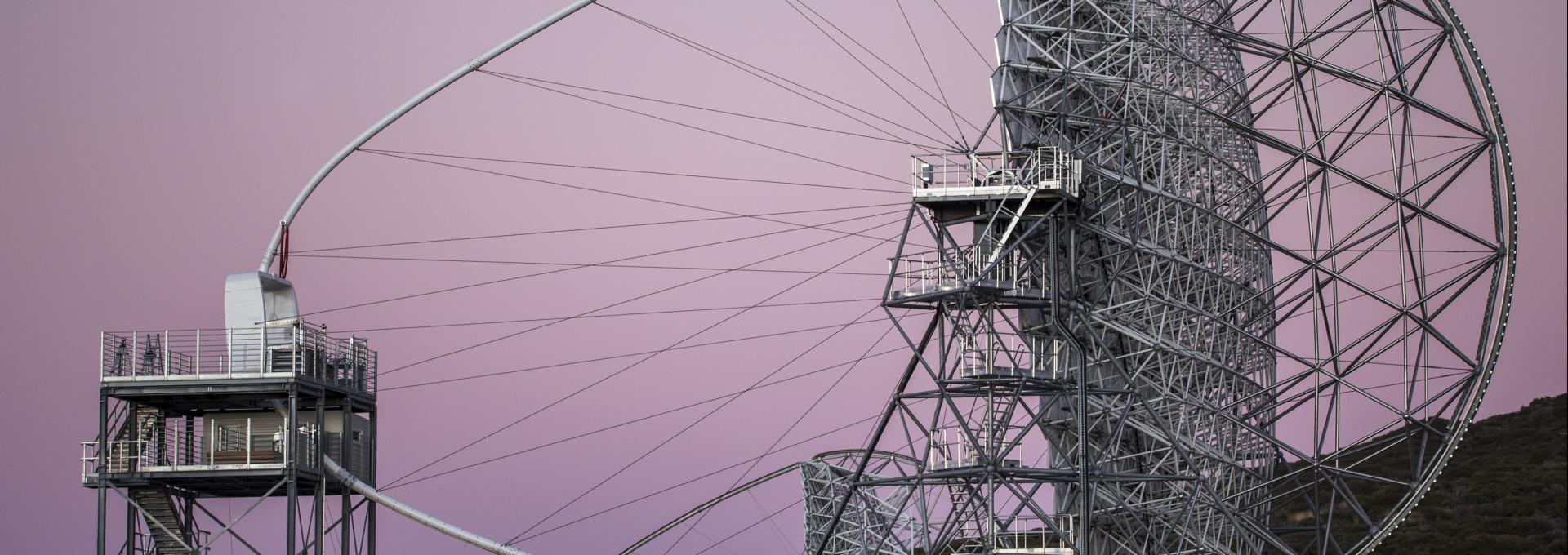
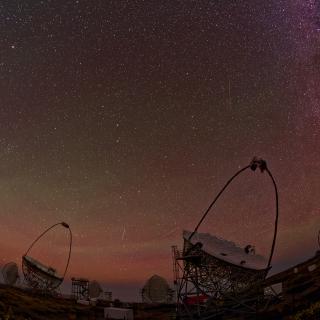
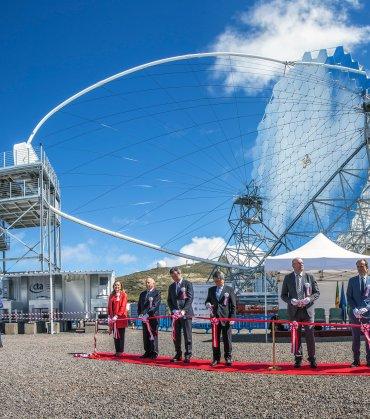
On 15 October 2026, the CTAO’s LST Collaboration will celebrate the start of operations for the subset of the four Large-Sized Telescopes (LSTs) that will operate at the CTAO-North site, located at the Roque de los Muchachos Observatory on La Palma (Spain). |
The Large-Sized Telescopes (LSTs) are the largest telescopes in the future Cherenkov Telescope Array Observatory (CTAO). They are designed to detect very high-energy gamma rays, an extremely energetic form of radiation that originates from the most distant and violent corners of the universe. Thanks to this capability, the LSTs enable the study of cosmic phenomena that are difficult to observe using other instruments.
In technical terms, the LSTs cover an energy range of approximately 20 GeV to 3 TeV, placing them at the low-energy end of the CTAO spectrum. This range is key to detecting extragalactic sources at cosmological distances — such as active galactic nuclei — as well as galactic sources with lower acceleration capabilities, such as pulsars. Furthermore, their rapid response time makes them essential tools for studying transient phenomena such as gamma-ray bursts or other short-lived stellar events.
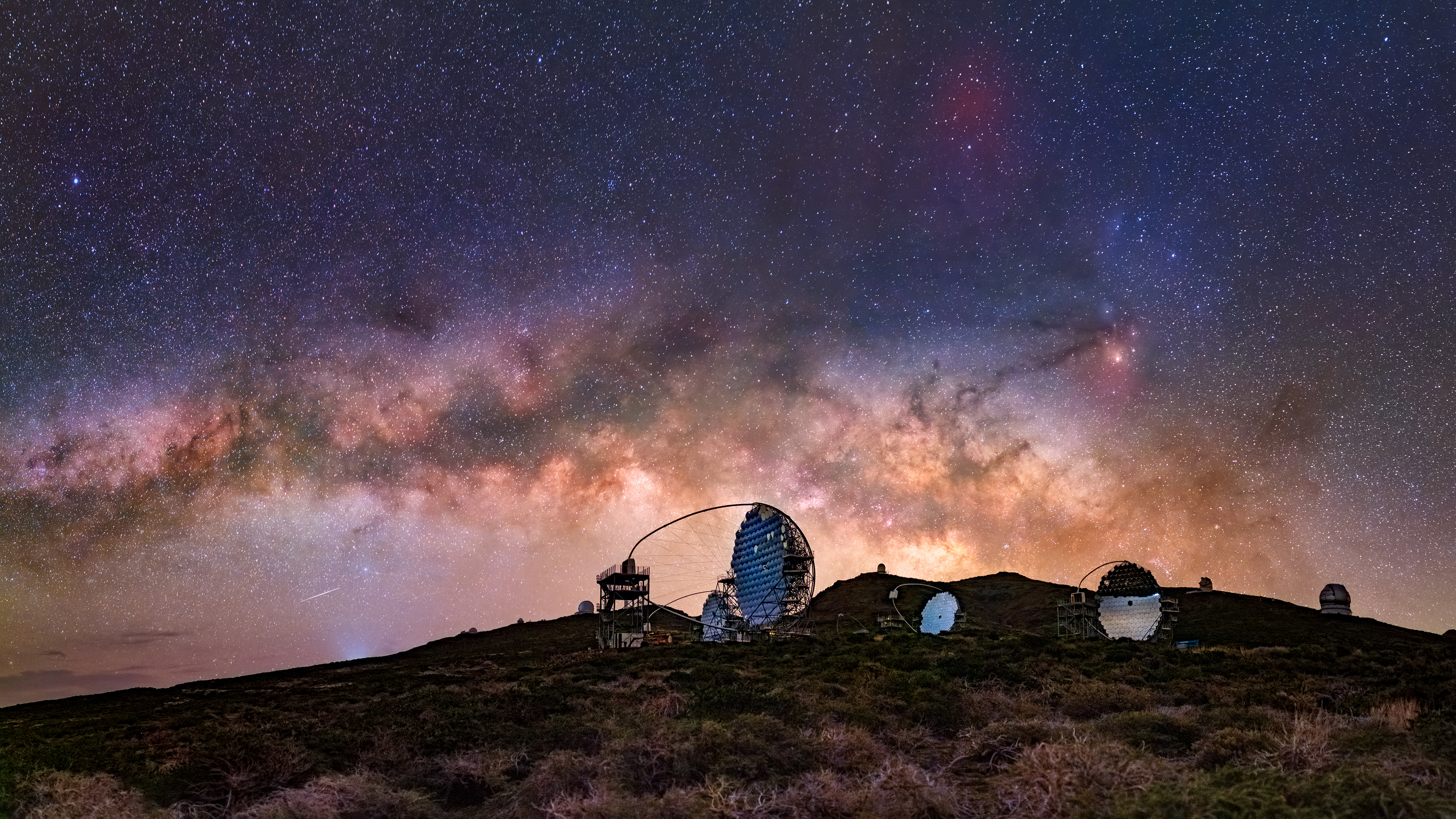
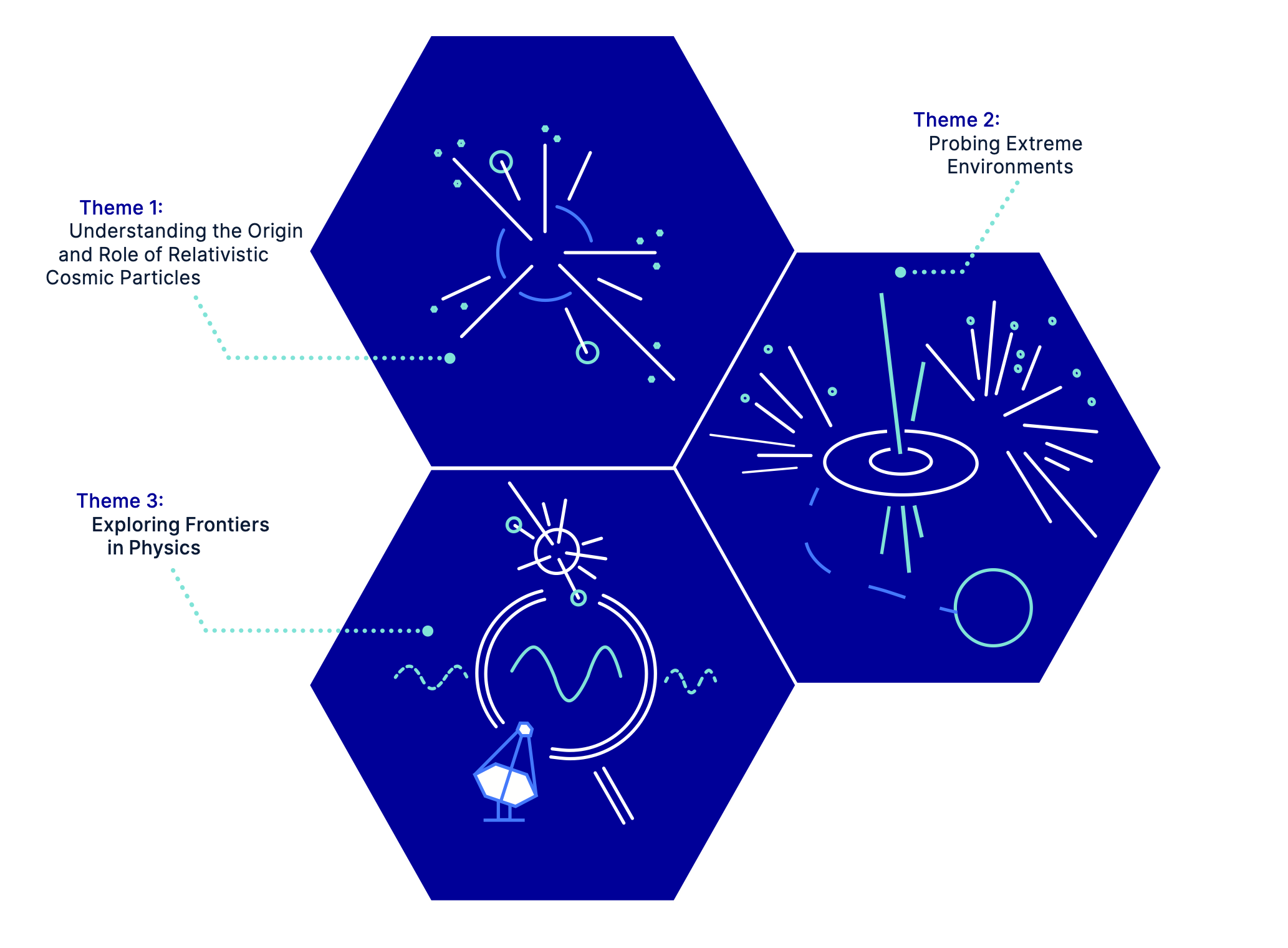
LSTs help to answer some of the big questions in astrophysics and fundamental physics, addressing problems that link the universe on a large scale with the most basic laws of nature.
In scientific terms, their main objectives are:
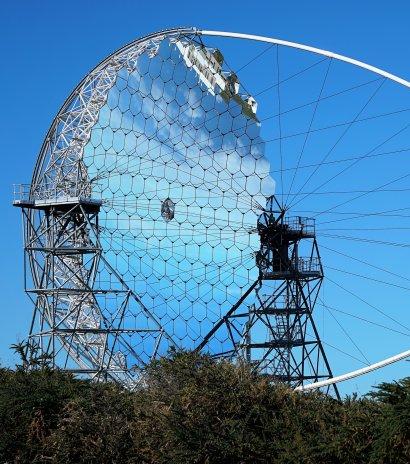
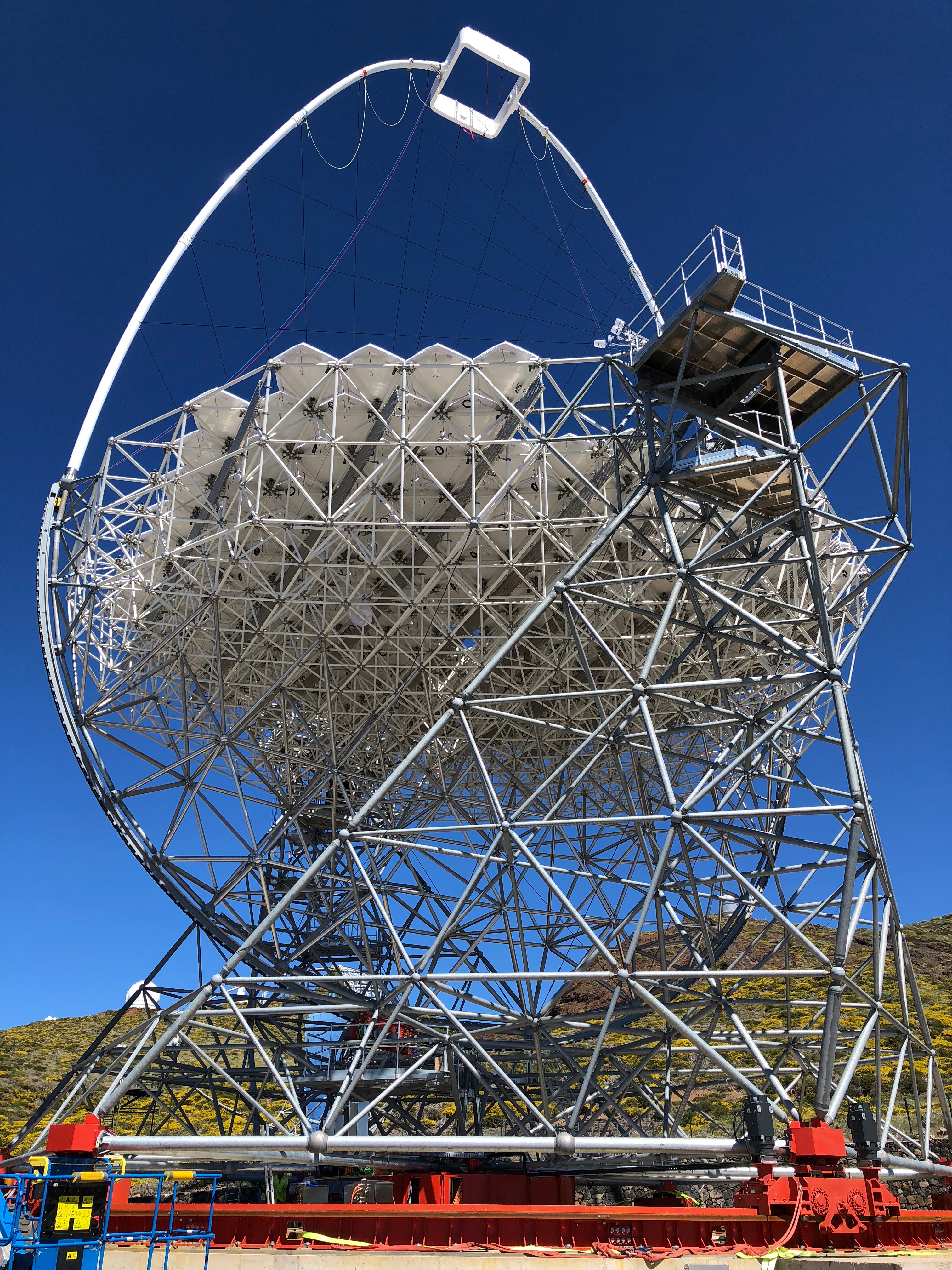
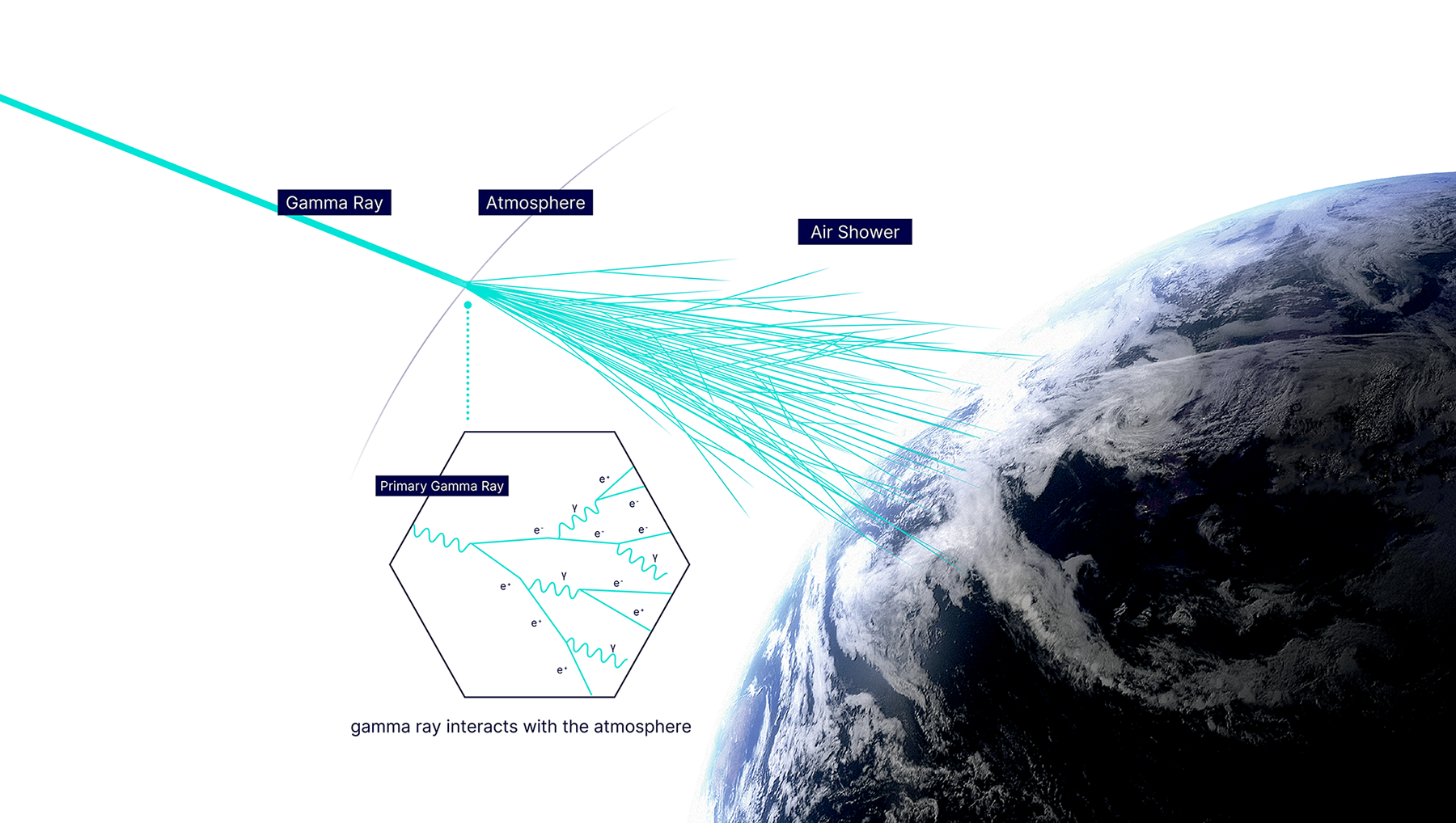
At first glance, LSTs are striking for their size: they stand around 45 metres tall, with a mirror 23 metres in diameter and a weight of nearly 100 tonnes. This large size is no accident, but rather a necessity for capturing the faint Cherenkov light generated by low-energy gamma rays as they interact with the Earth’s atmosphere.
However, despite their size, LSTs are designed to be extremely light and agile. Their structure uses advanced materials such as carbon fibre reinforcement, which reduces weight without compromising stability. This lightness is essential for the telescope to reposition itself quickly: it is capable of pointing at any point in the sky in less than 20 seconds, a crucial feature for observing short-lived transient events.
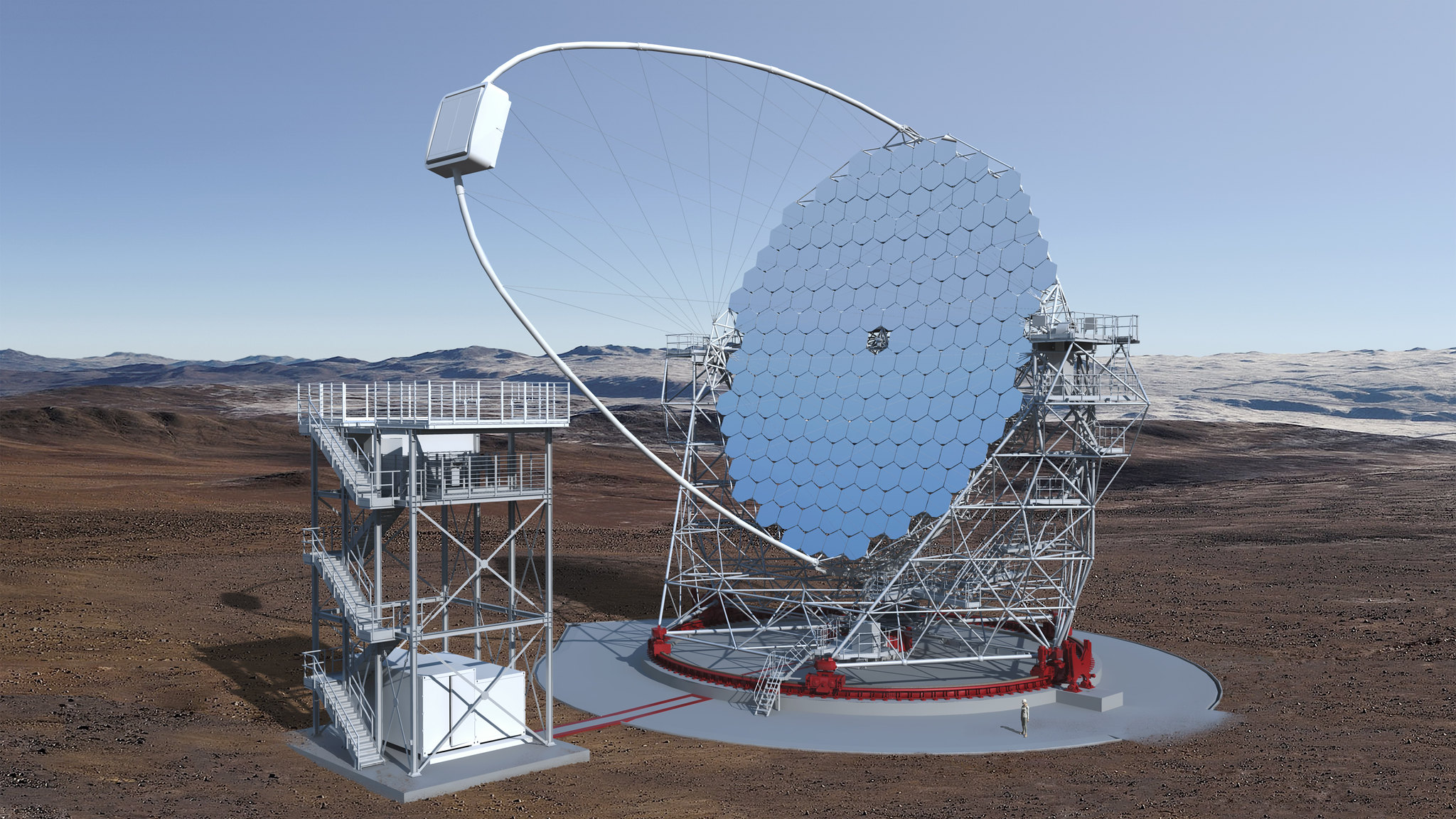
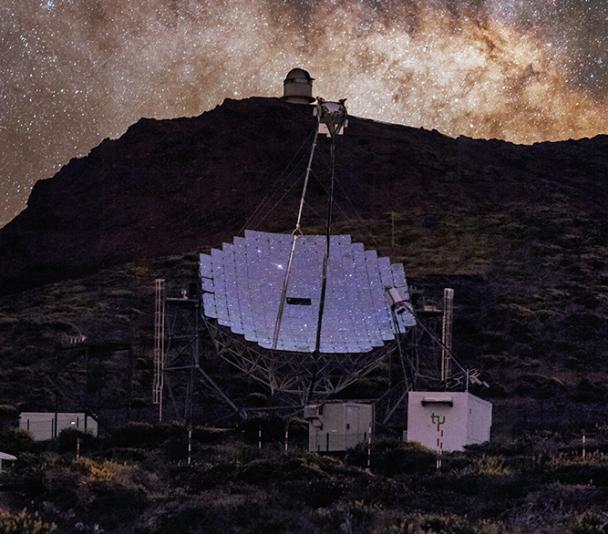
At the heart of the LST is its large parabolic reflector, 23 metres in diameter, with a reflective surface area of approximately 400 m². This mirror collects the faint Cherenkov light produced in the atmosphere and focuses it onto the telescope’s camera, using a technique known as the Cherenkov effect.
From an optical point of view, the choice of a parabolic geometry minimises aberrations and improves the quality of the collected signal. The system’s focal length is 28 metres, which optimises angular resolution and efficiency in detecting low-energy events. As these events produce only a few dozen photons, maximising the collecting area is essential for their detection.
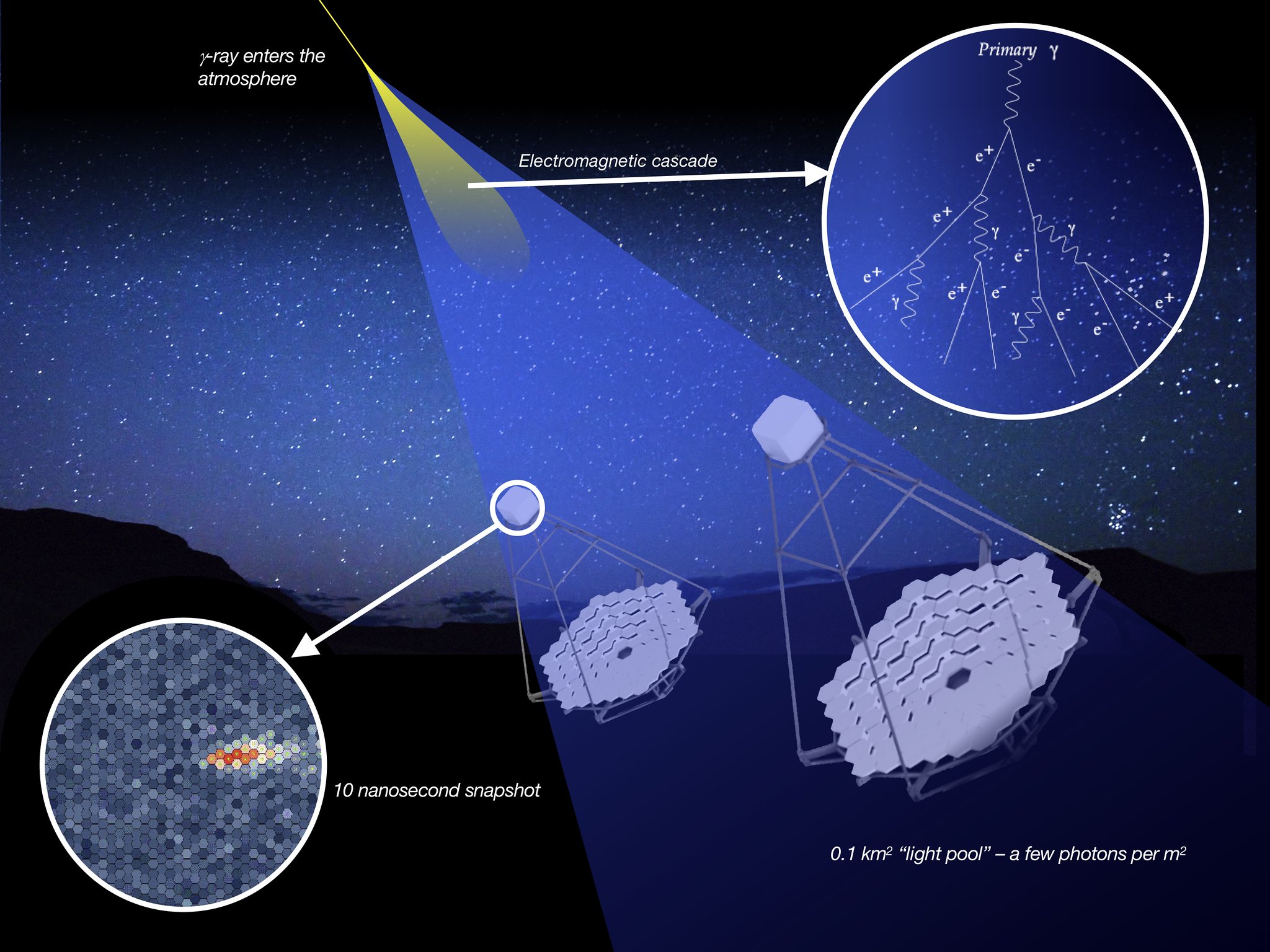
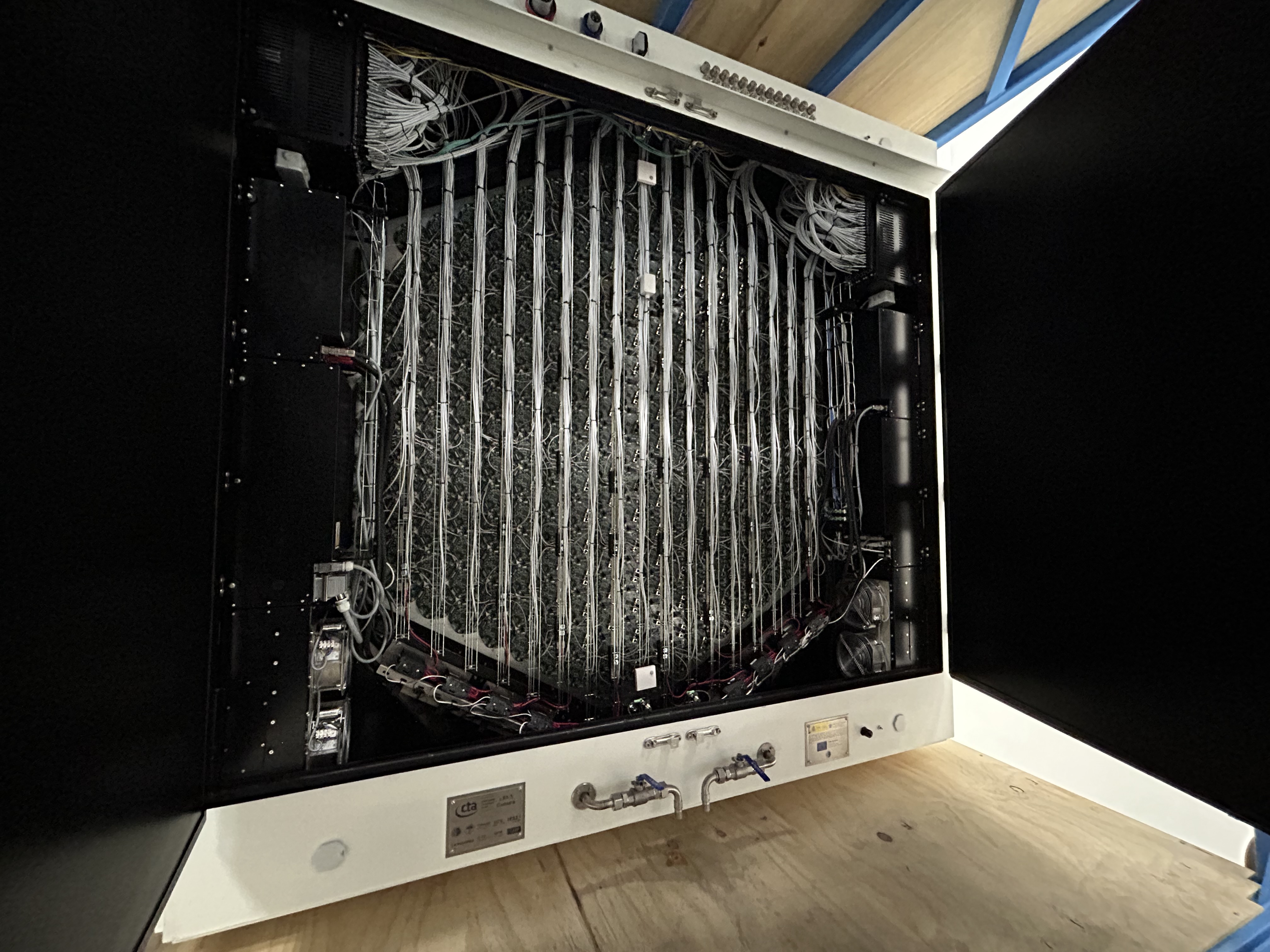
The LST’s camera is one of its most advanced components. Designed to be compact and lightweight (weighing less than two tonnes), it features 1,855 light sensors based on photomultiplier tubes (PMTs), capable of detecting even single photons with great efficiency.
Technically speaking, the camera covers a field of view of approximately 4.3 degrees and is optimised to operate in very low-signal conditions. Its high readout speed allows it to distinguish the extremely brief flashes of Cherenkov light — which last barely a few nanoseconds — from the background noise of the night. This capability is key to correctly identifying events produced by low-energy gamma rays.
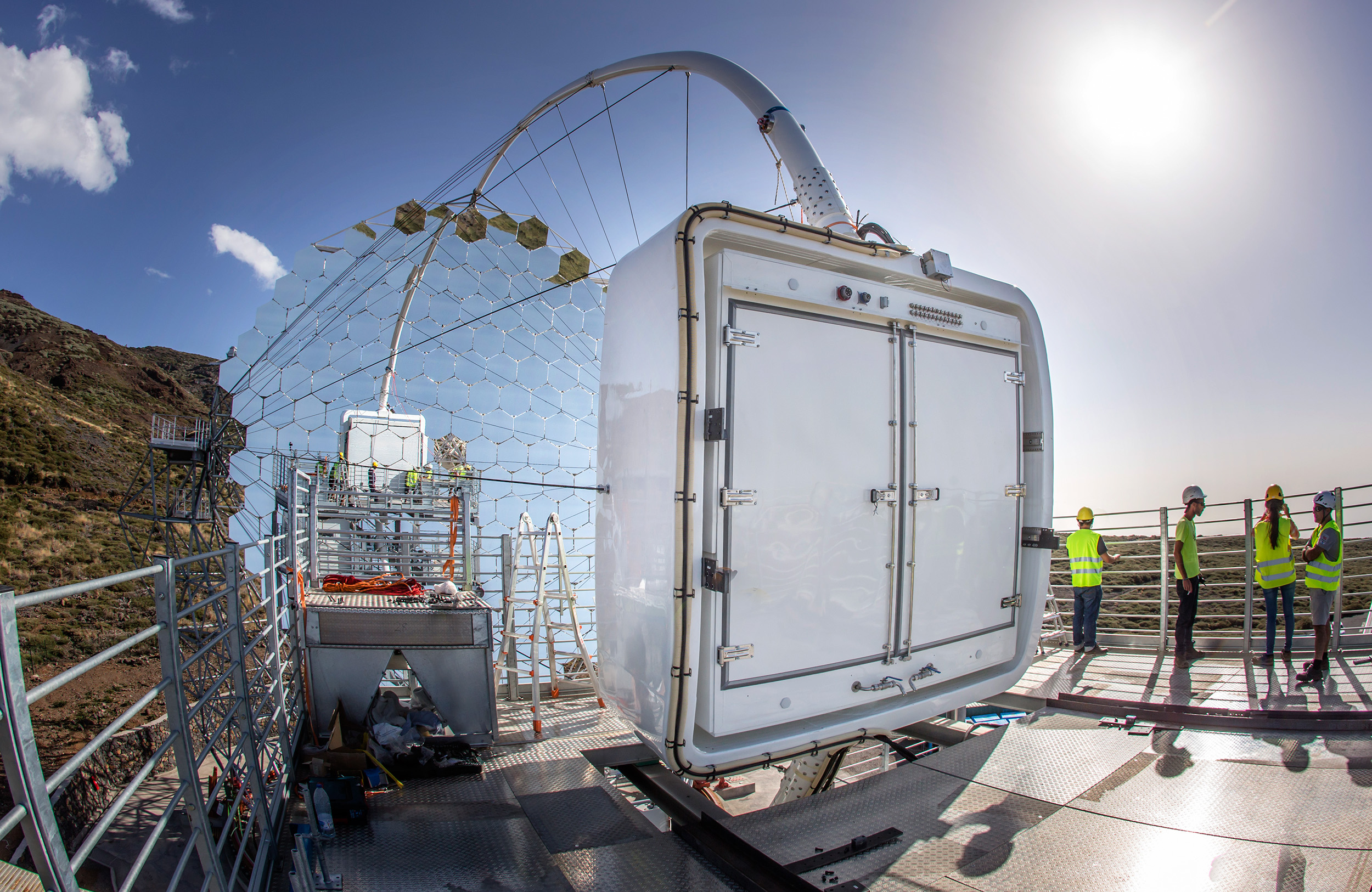
To achieve its extraordinary speed of movement, the LST incorporates a mechanical system based on circular rails 23 metres in diameter and six bogies (wheeled carriages). This design allows the telescope to be rotated with great precision and speed.
From a technical perspective, one of the main challenges has been to balance lightness with structural strength. The combination of advanced materials and an optimised design allows the telescope to maintain its stability even in adverse conditions such as wind, without compromising its rapid repositioning capability.
Thanks to this combination, the LST is capable of repositioning itself and pointing at any location in the sky in less than 20 seconds, enabling a rapid response to external alerts to observe short-lived transient phenomena such as gamma-ray bursts (GRBs) or to search for the counterparts of gravitational waves, amongst other things.
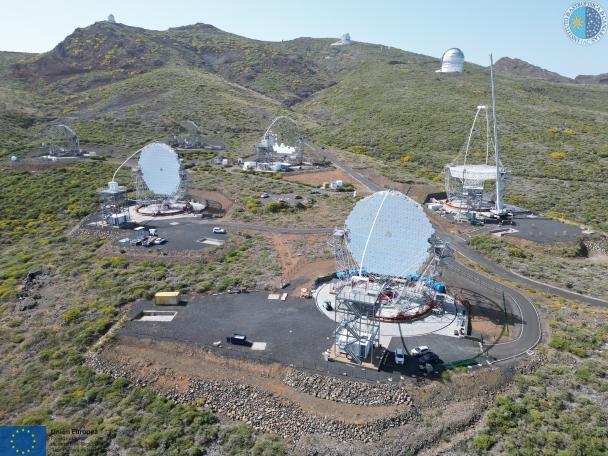
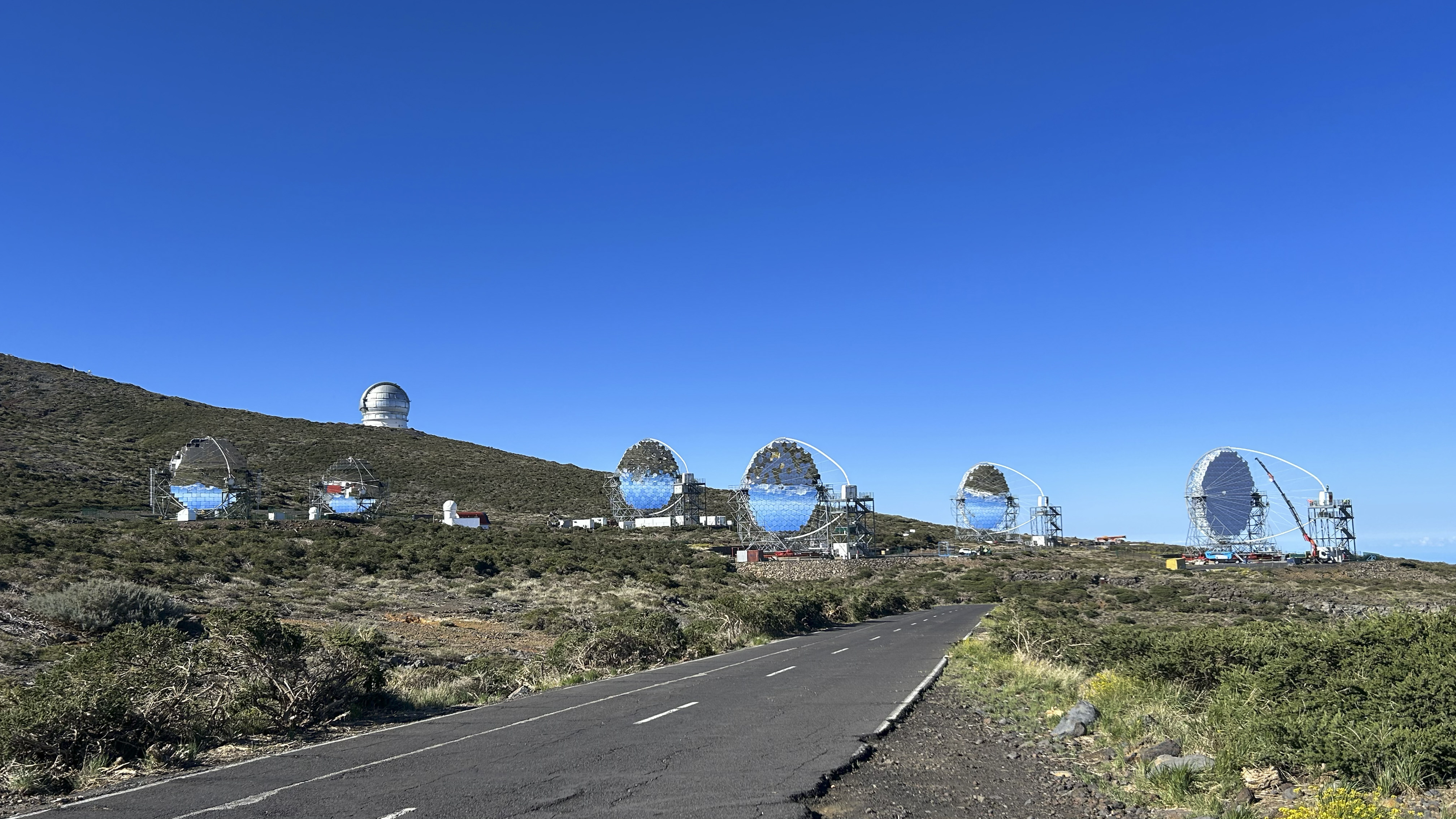
LSTs do not operate in isolation. CTAO-North, located at the Roque de los Muchachos Observatory on the island of La Palma (Spain), will have four LST telescopes that will work together using the stereoscopic observation technique. This means that several telescopes simultaneously observe the same event, allowing for a more precise reconstruction of the properties of the atmospheric cascade generated by the gamma-ray burst.
This technique significantly improves angular resolution, energy determination and the ability to distinguish between gamma-ray signals and the charged-particle background. As a result, the LSTs are essential for extending the scientific reach of the CTAO to fainter and more distant sources.
The development of the LSTs is the result of a broad international collaboration. More than 500 scientists and engineers from 85 institutions in 11 countries, including Spain, Germany, Japan, Italy, France and Brazil, are involved in this project.
From an organisational perspective, this multidisciplinary collaboration brings together experts in astrophysics, engineering, electronics and data analysis, enabling the technological and scientific challenges associated with the detection of very high-energy gamma rays to be addressed. For more information on the LST collaboration, visit their website.
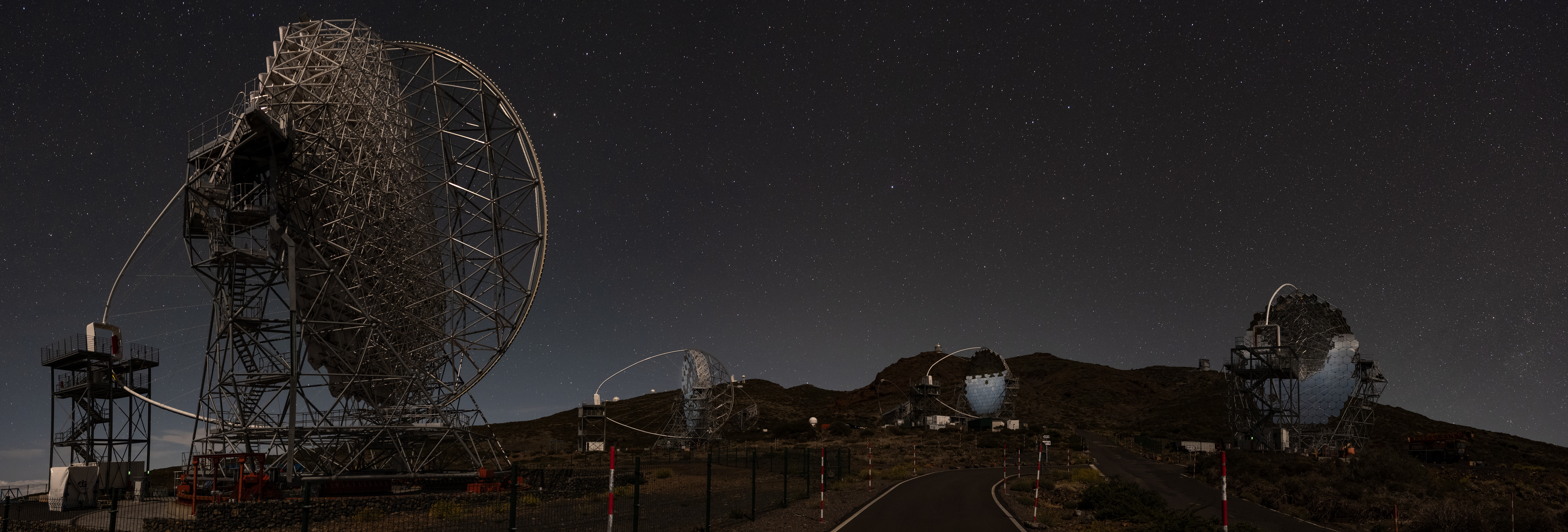
The LST prototype, LST-1, was inaugurated in October 2018 and is currently in the commissioning phase, already producing scientific results. To date, the collaboration has published numerous studies on galactic and extragalactic sources, as well as transient phenomena.
As for the full deployment, the mechanical components and mirrors of the four telescopes were completed in 2025. The LST-4 camera was also integrated that same year, followed by the LST-3 camera the following year. The installation of the final camera, for LST-2, is scheduled for June 2026, with the start of operations for the complete array planned for October of that same year.
In technical terms, this range allows for the study of atmospheric cascades with low Cherenkov light production, which requires large-aperture telescopes with high detection efficiency.
LSTs combine exceptional dimensions with a lightweight and robust architecture, designed to maximise their dynamic performance.
The use of carbon fibre allows for a high strength-to-weight ratio, essential for achieving rapid movements without compromising structural stability against external loads such as wind.
The optical system is responsible for capturing and concentrating the faint light signal generated in the atmosphere.
Technically, the parabolic shape ensures accurate focusing of Cherenkov photons within very short time scales, minimising temporal and spatial aberrations. The large collecting area is essential for detecting events involving as few as tens of photons.
The LST camera converts Cherenkov light into analysable electrical signals.
High-speed readout electronics enable signals to be sampled on nanosecond timescales, separating astrophysical events from background noise. High pixel density improves the reconstruction of the geometry of atmospheric cascades.
One of the LST’s distinctive features is its rapid response to transient events.
This system enables almost immediate follow-up observations following external alerts (e.g. from satellites), which is essential for the study of gamma-ray bursts and other transient phenomena.
The LSTs significantly extend the CTAO’s reach to lower energies and more distant sources.
Their combination of low energy threshold and fast response makes them key instruments for the astrophysics of transient phenomena and high-energy cosmology.
The LST project is a global effort that brings together scientific and technological expertise from multiple institutions.
This collaborative structure enables the tackling of complex challenges in design, construction, operation and large-scale data analysis.
This cost reflects the technological complexity of the system, including structure, optics, camera and control systems.
The Large-Sized Telescopes (LST) form part of one of the most ambitious scientific infrastructures in very high-energy astrophysics. Their development has been a gradual process, combining phases of design, construction and technological integration over several years.
The construction of the LSTs has required international coordination between dozens of institutions, as well as the development of new solutions in lightweight engineering, large-scale optics and ultra-fast detection.
The first operational prototype, the LST-1, was inaugurated in October 2018. This milestone marked the start of the technological and scientific validation phase of the design.
Since then, LST-1 has been in the commissioning phase, during which the systems are fine-tuned, the instrument is calibrated and the first scientific data begins to be collected. This phase has already led to the publication of results in galactic and extragalactic astrophysics and transient phenomena.
Following its inauguration, the LST-1 has operated in an advanced testing mode, contributing to software development, camera calibration and validation of system performance.
From a scientific perspective, this phase has served to demonstrate the instrument’s capability in detecting low-energy gamma-ray sources and to refine data analysis methods within the CTAO context.
In 2025, a key milestone was reached in the deployment of the LSTs:
This development marked the start of the commissioning phase for telescopes in addition to the initial prototype.
The LST-3 telescope camera is installed in April 2026, marking a step forward in the system’s operational configuration.
This step is key to commencing comprehensive system testing in a multi-unit configuration.
The final phase of integration is scheduled for June 2026, with the installation of the LST-2 camera, thereby completing the instrument suite of the four telescopes.
This step is essential to enable joint operation, one of the system’s key capabilities.
The start of operations for the complete system comprising the four LSTs is scheduled for October 2026.
Following the commissioning, the LSTs will enter a phase of regular operation, providing high-quality scientific data to the international community.
In operational terms, the telescopes will in future operate in coordination with the rest of the CTAO network, participating in planned observation campaigns and the monitoring of transient events.
Following the start of operations for the complete system comprising the four LSTs in October 2026, the telescopes will commence full scientific operations, forming part of the CTAO Observatory in the near future.
It is estimated that the LSTs will have an operational lifespan of approximately 30 years.
During this period, the telescopes are expected to make a decisive contribution to advances in high-energy astrophysics, cosmology and fundamental physics, establishing themselves as a long-term scientific infrastructure of reference.